Ocean literacy underpins everything we do. This work builds the foundational knowledge and confidence communities need to engage meaningfully with marine conservation. By investing in education at every level, we support long-term stewardship, informed decision-making and stronger local leadership in ocean governance.
School Outreach
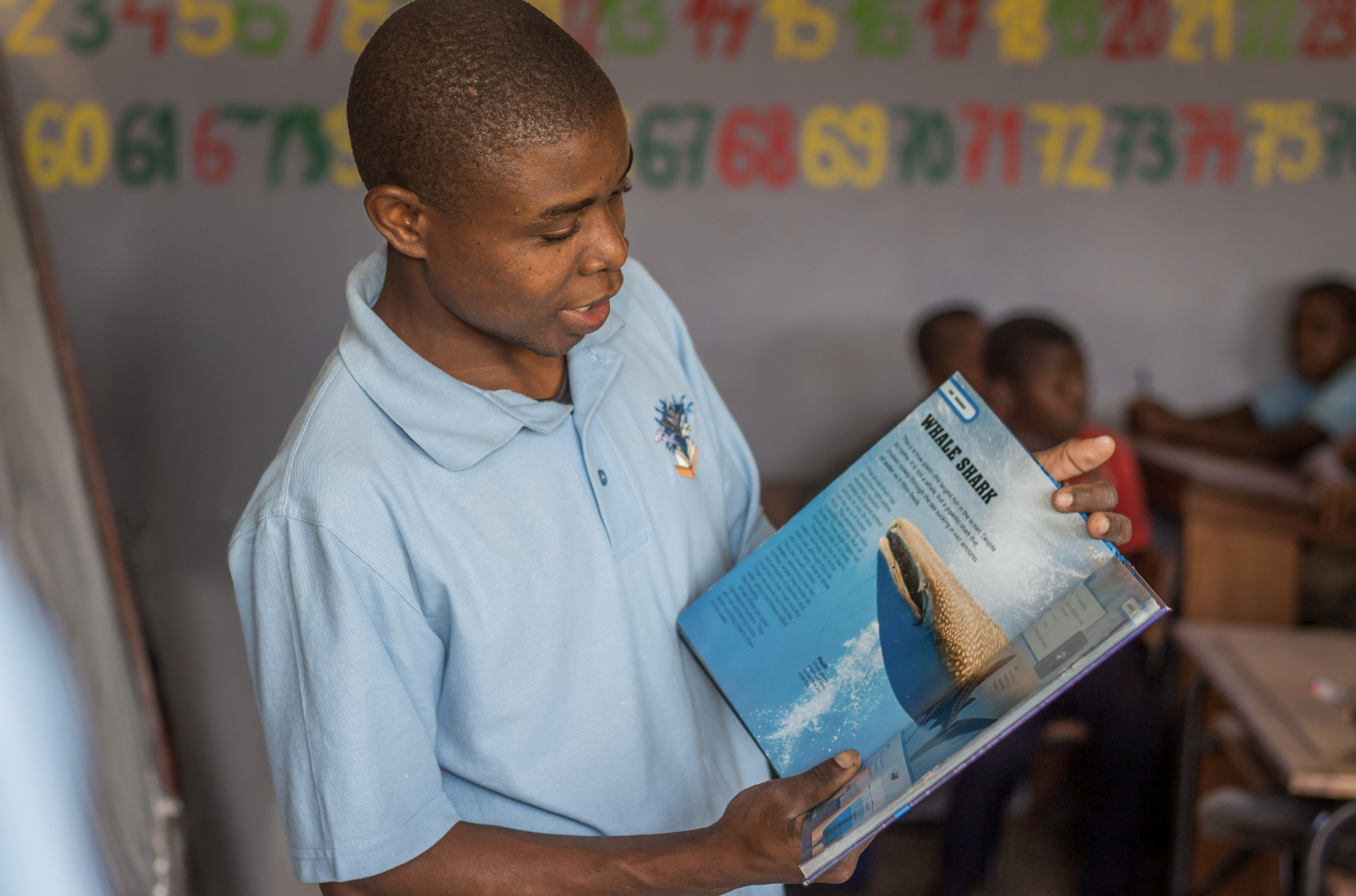
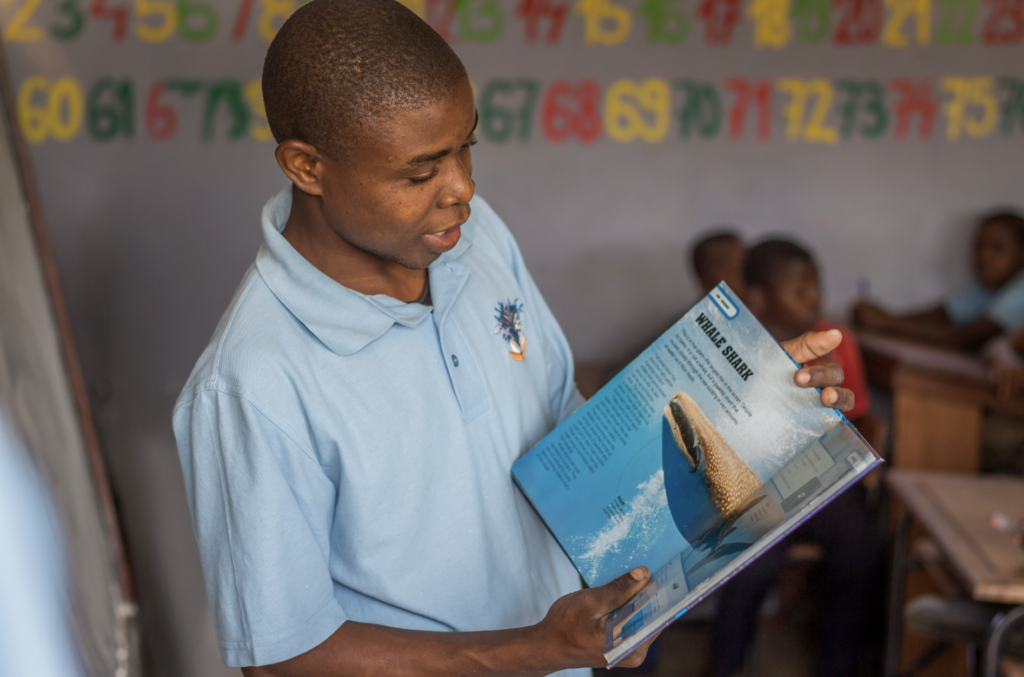
Education is the foundation of Love The Oceans’ community-led conservation model. We work in 2 local schools, delivering Marine Resource Management and Sea Safety lessons that introduce young people to the ocean systems they depend on and the role they play in protecting them. Our school program has reached over 1,000 children. Our lessons build a strong, accessible knowledge base in marine biology and conservation, covering topics such as sustainable fishing practices, seasonal closures, marine protected areas, and the long-term impacts of overfishing, helping students understand how conservation and community wellbeing are deeply connected. Sea safety education is embedded throughout, supporting safer ocean access and reducing risk in a region where many people rely on the ocean for daily survival. Our experience shows that students actively share what they learn at home, sparking conversations within families and fishing communities and helping shift attitudes over time.

Ocean School
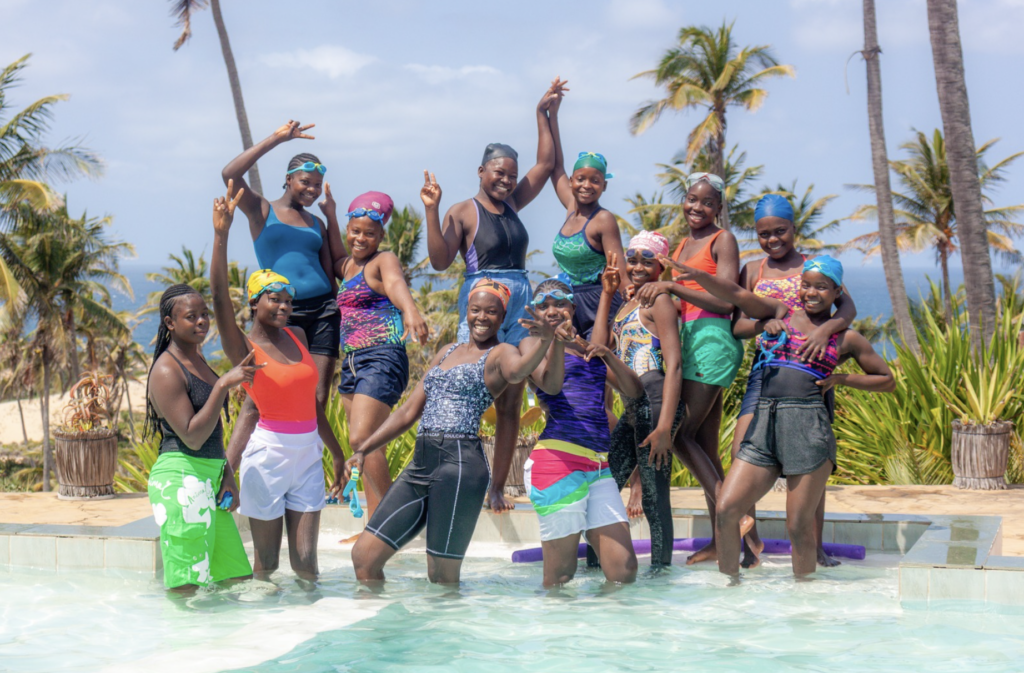
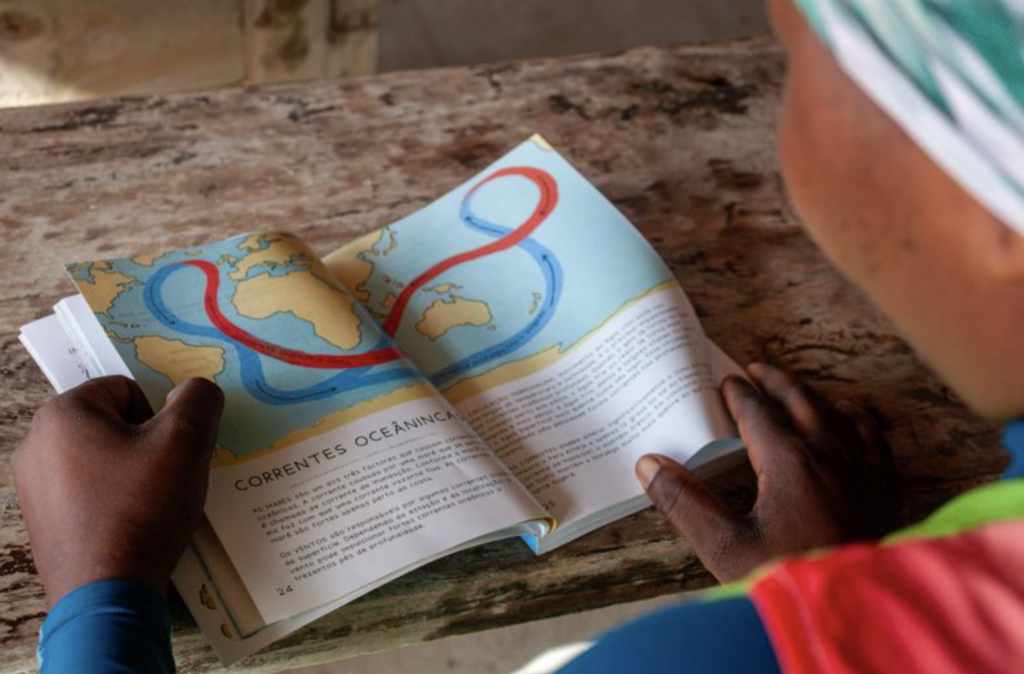
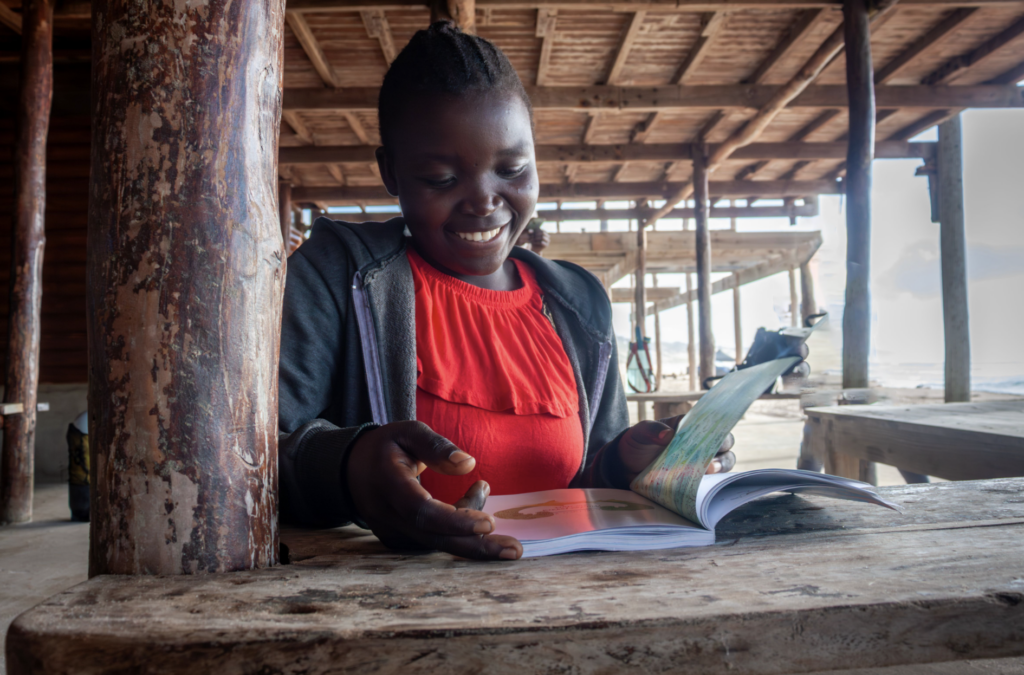
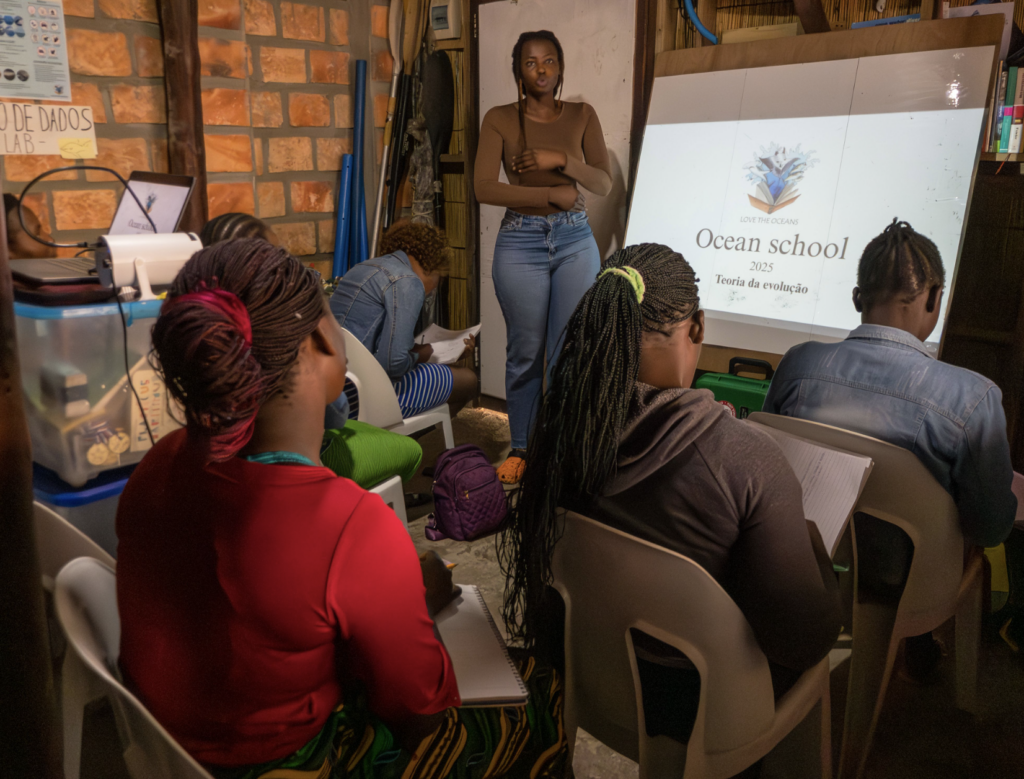
Ocean School is Love The Oceans’ six-month adult education programme designed to build ocean literacy and local capacity from the ground up. Often described as a “zero-to-hero” syllabus, Ocean School bridges the gap between secondary-level biology and the level of ecological understanding needed to meaningfully engage in marine conservation work. The programme equips community members with the foundational knowledge that underpins Love The Oceans’ core projects that can sometimes be missing from the formal education locally, from fisheries research and coral reef monitoring to climate change impacts and marine governance. Developed by Love The Oceans’ Founder, Francesca Trotman, and Marine Biologist Yudmila Chunguane in collaboration with a Portuguese ecology lecturer, Ocean School combines structured theory with real-world context drawn directly from our work in Jangamo Bay. Lessons are delivered in our local office, creating an accessible learning environment for adult participants who usually have not had formal science education opportunities previously. Over the past two years, Ocean School has proven to be a powerful pathway into deeper engagement with conservation, with graduates going on to support research, outreach and community projects. Members of our Sea Her gender equity programme are currently completing the syllabus, marking another step towards inclusive, community-led marine stewardship.
Improved Learning Facilities
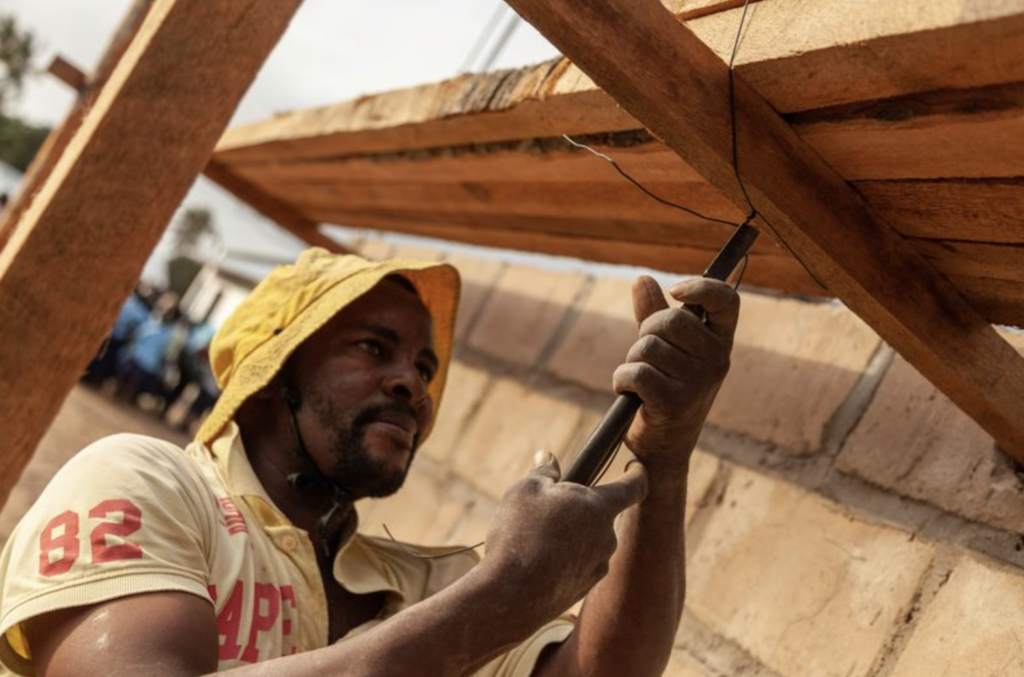
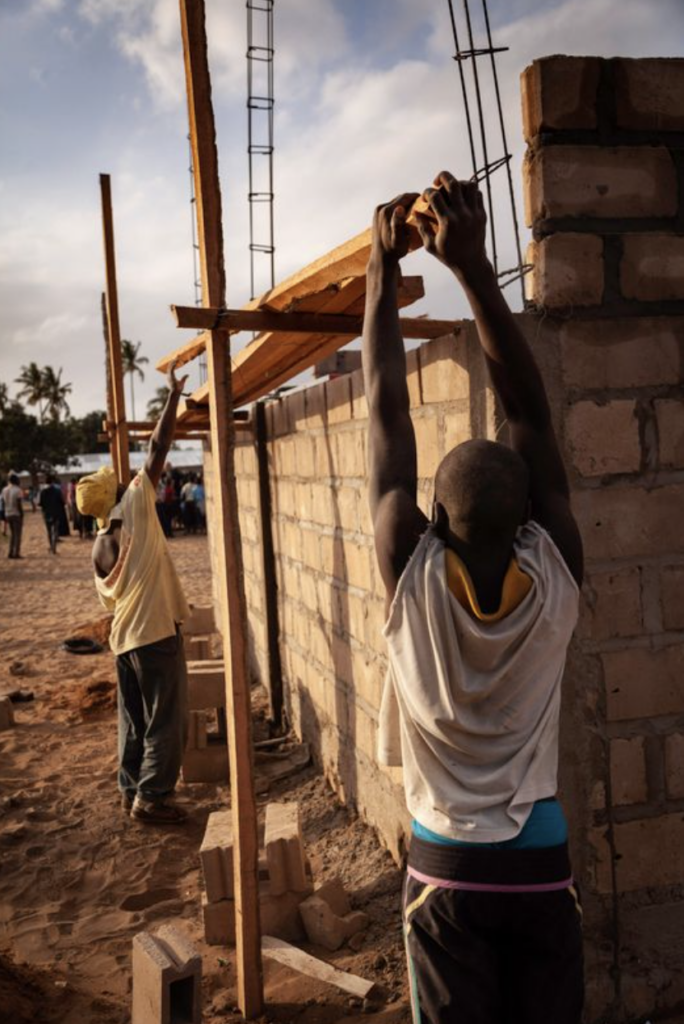
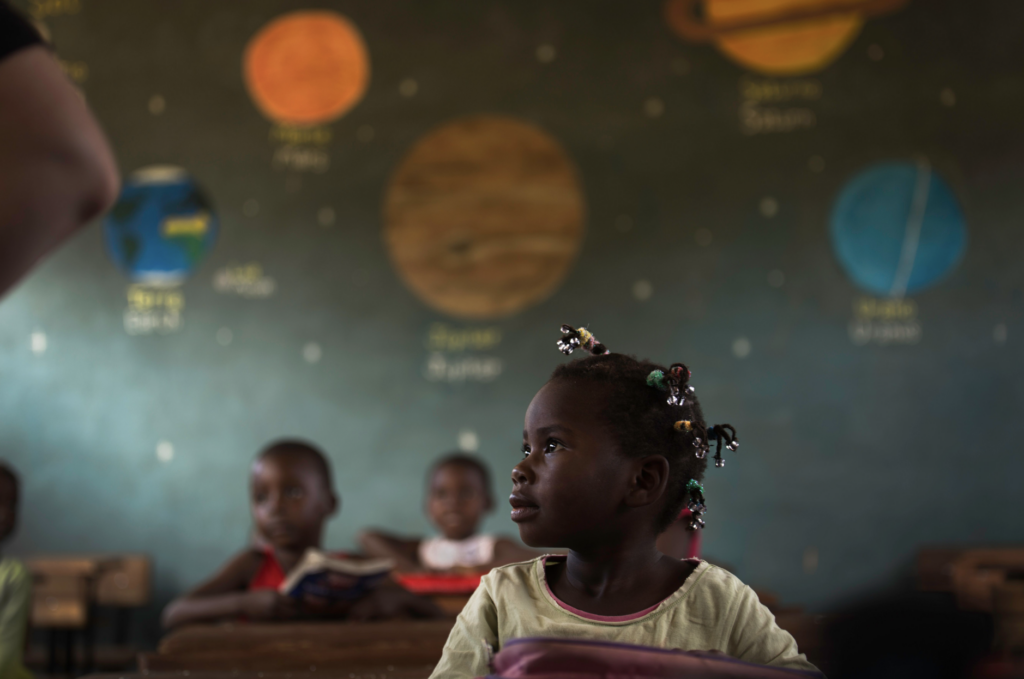
Access to quality education is essential for long-term community resilience and effective conservation as poverty alleviation is intrinsically linked with successful conservation efforts. Alongside our education programmes, Love The Oceans has worked to improve the physical learning environments in the communities where we operate. With sponsorship from a local lodge, we raised funds and employed a local building team to construct 14 new classrooms across two schools in our area over the last 10 years. This investment has had a transformational impact. Its enabled the existing secondary school to be officially upgraded to a high school, creating access to formal education up to the age of 18 for the first time ever in our district. This milestone dramatically expanded educational opportunities for local young people and reduced the need for families to choose a child to send far from home to continue their schooling. Since then, we have continued to support school infrastructure where possible, including the construction of staff facilities and ongoing improvements to learning spaces. Our next priority is the construction of safe, functional toilet facilities, which are critical for student wellbeing, dignity and school attendance, particularly for girls. Unfortunately, limited funding over the past few years has meant we have been unable to progress further building work. In the meantime, our team continue to support schools by creating educational murals under the guidance of local teachers. These murals cover topics such as the hydrological cycle, marine ecosystems and the periodic table and help create brighter, more engaging learning environments and reinforce classroom teaching. If you or your organisation are able to support future school infrastructure projects in our communities, we would love to hear from you.