Healthy oceans and thriving communities are impossible without gender equity. Women make up 50% of our stakeholders and excluding them makes conservation projects 50% less effective. Our gender equity work focuses on breaking down the structural barriers that exclude women from ocean spaces, education and decision-making. We support women to build agency, independence and leadership, recognising that empowered women are essential to effective, lasting conservation.
Women’s Swimming Lessons
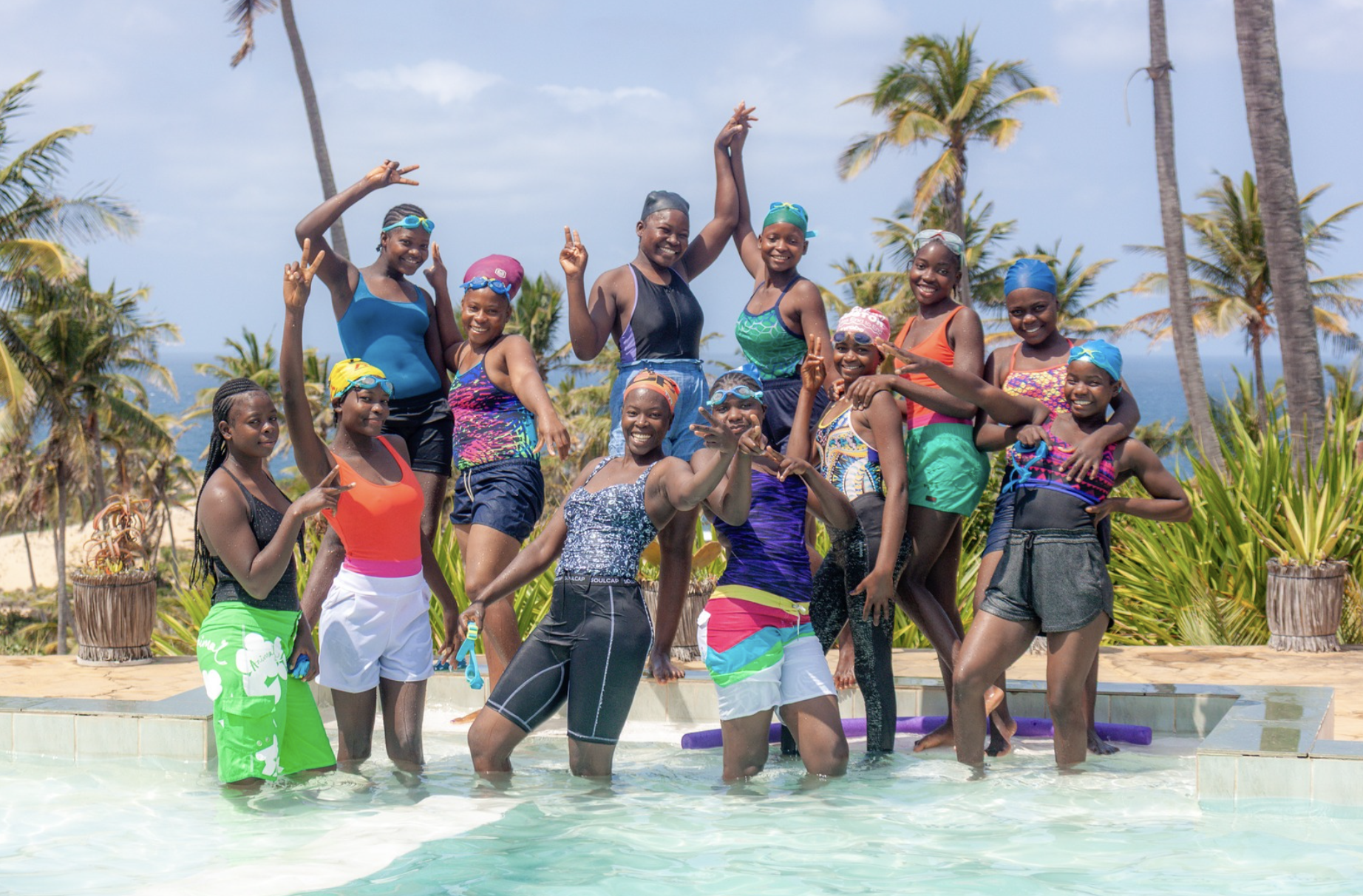
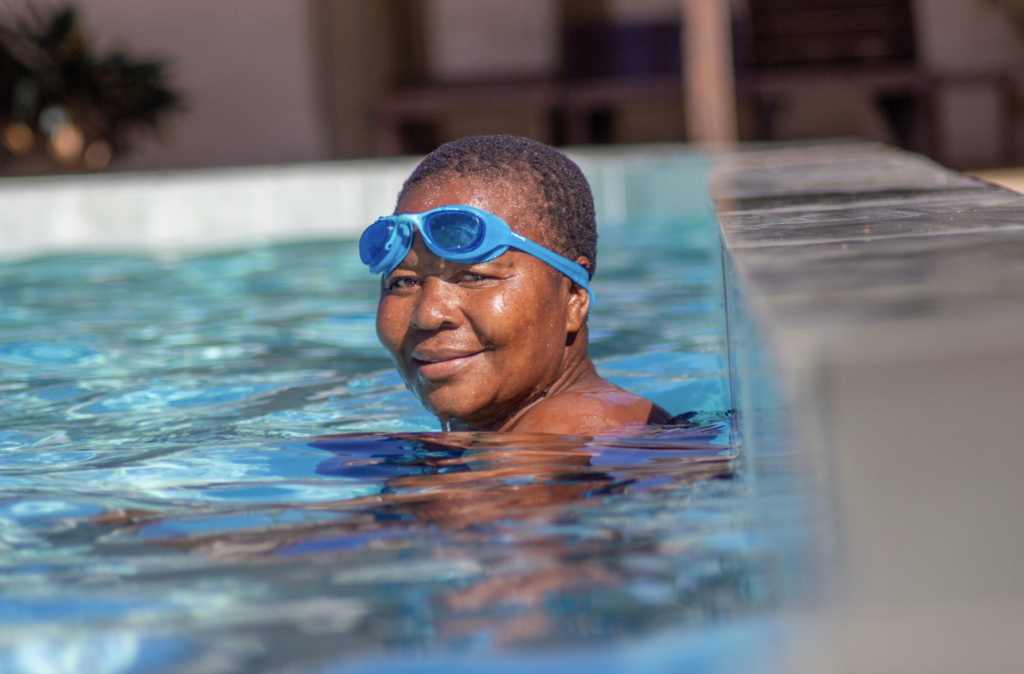
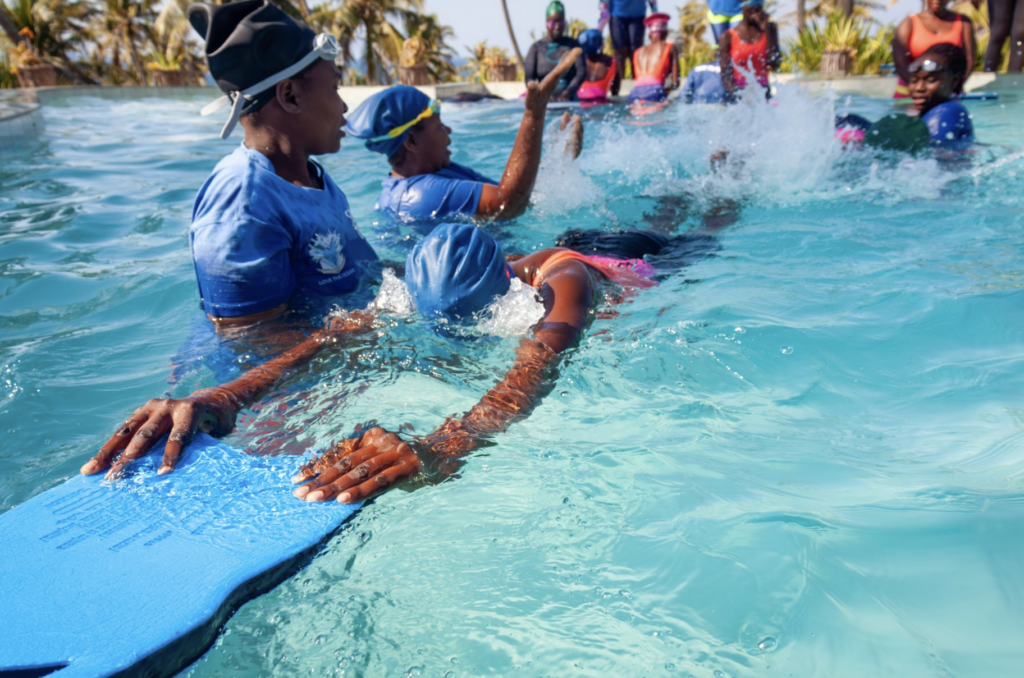
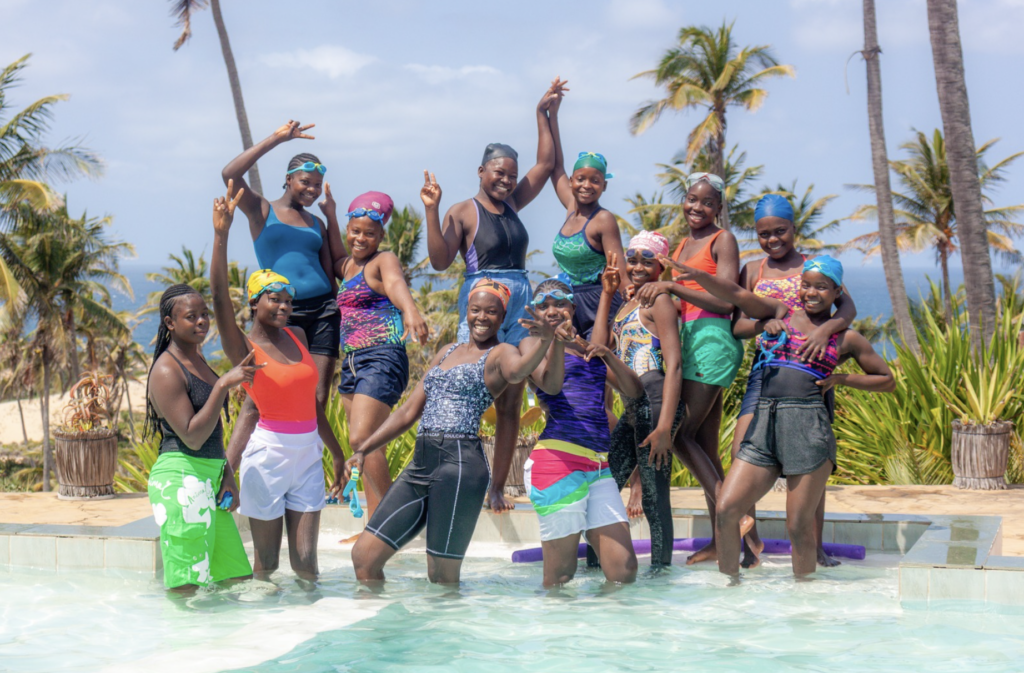
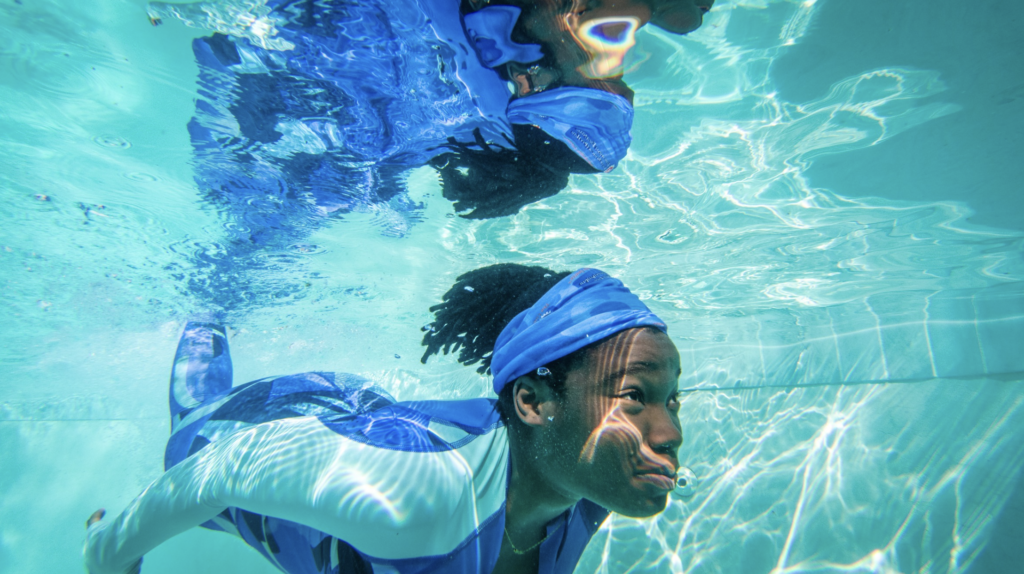
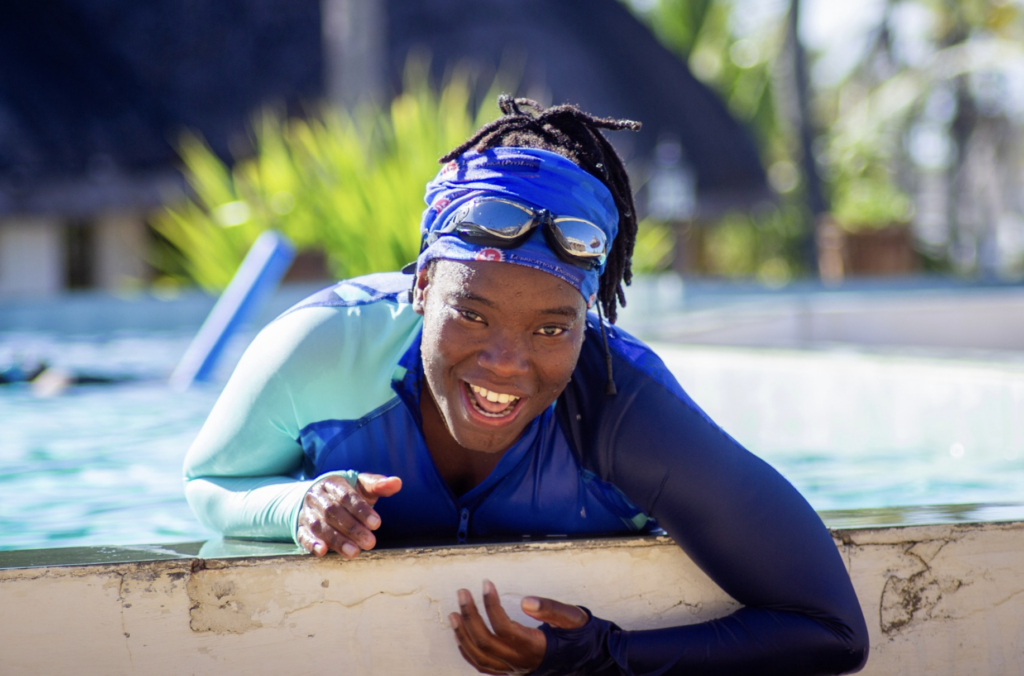
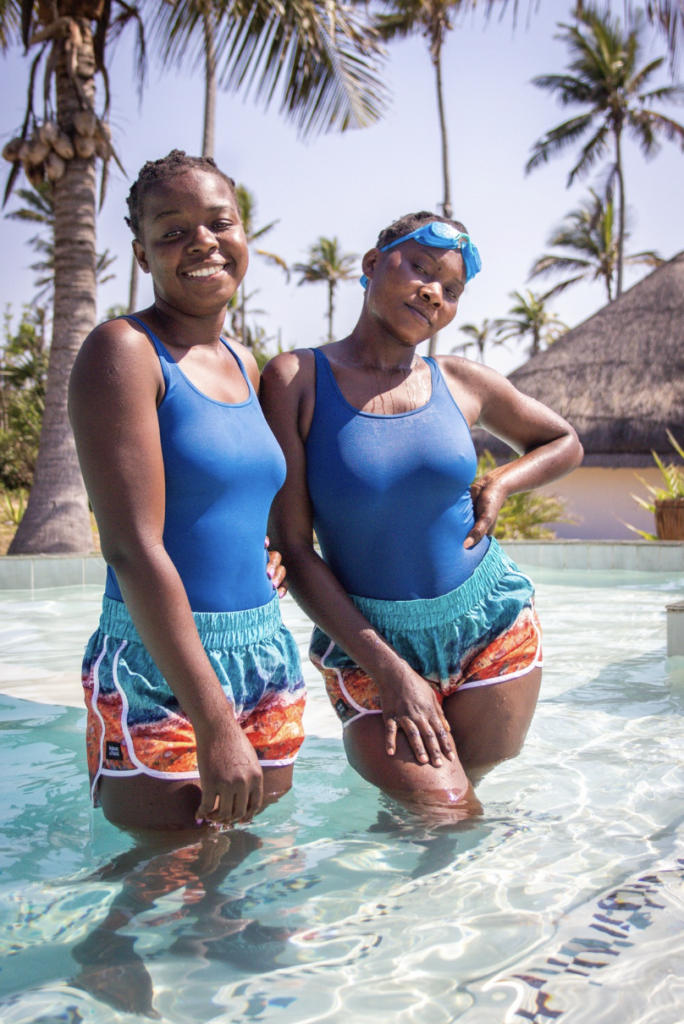
Access to the ocean is a prerequisite for meaningful participation in marine conservation, yet in Jangamo Bay the vast majority of women have never learnt to swim. Love The Oceans launched women’s swimming lessons in 2025 as part of the Sea Her Project to remove this fundamental barrier and create safe, inclusive access to ocean spaces. These lessons provide women with essential life-saving skills, reduce drowning risk, and build confidence in the water. Beyond safety, swimming enables women to actively participate in marine research, monitoring, and decision-making, from data collection to future involvement in locally managed marine areas.
Without the ability to swim, women are effectively excluded from ocean governance and conservation efforts that directly affect their lives and livelihoods. The programme is delivered by female swim instructors Love The Oceans has trained, creating visible role models and strengthening long-term community ownership. Women’s swimming is not only about safety; it is about equity, empowerment, and ensuring conservation is shaped by all members of the community, not just those with historic access to ocean spaces.
Sexual Health and Reproductive Rights
Gender equity in conservation requires addressing the barriers women face beyond the ocean. As part of the Sea Her Project, Love The Oceans delivers a sexual health and reproductive rights program that strengthens women’s knowledge, agency and wellbeing, recognising that bodily autonomy is fundamental to meaningful participation in conservation and community decision-making. This programme was shaped by evidence from over 200 surveys conducted with local women, which highlighted major gaps in understanding around reproductive health, menstruation and contraception, alongside limited access to accurate information. These barriers directly affect girls’ education, women’s economic independence and long-term engagement in environmental initiatives.
In response, we deliver culturally sensitive workshops in partnership with local health educators, covering reproductive anatomy, menstrual health management, contraception, sexual rights and consent. Sessions are designed to be practical, accessible and safe, creating space for open discussion in a context where these topics are often taboo. By improving health literacy and confidence, this work supports women to make informed choices about their bodies and futures, strengthening their ability to engage across Love The Oceans’ conservation programmes.
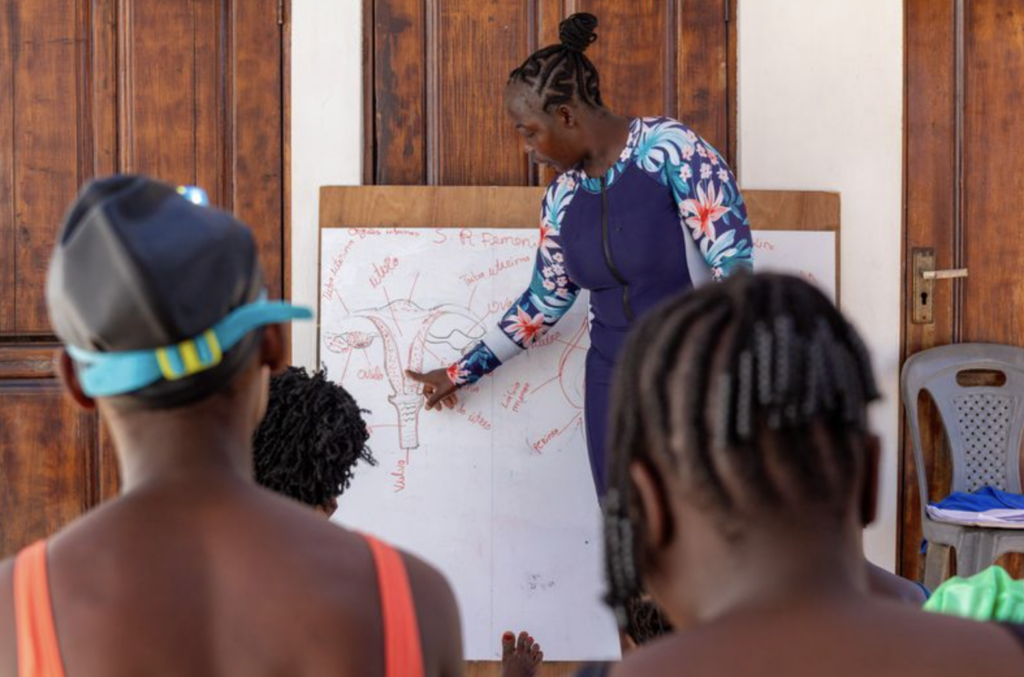
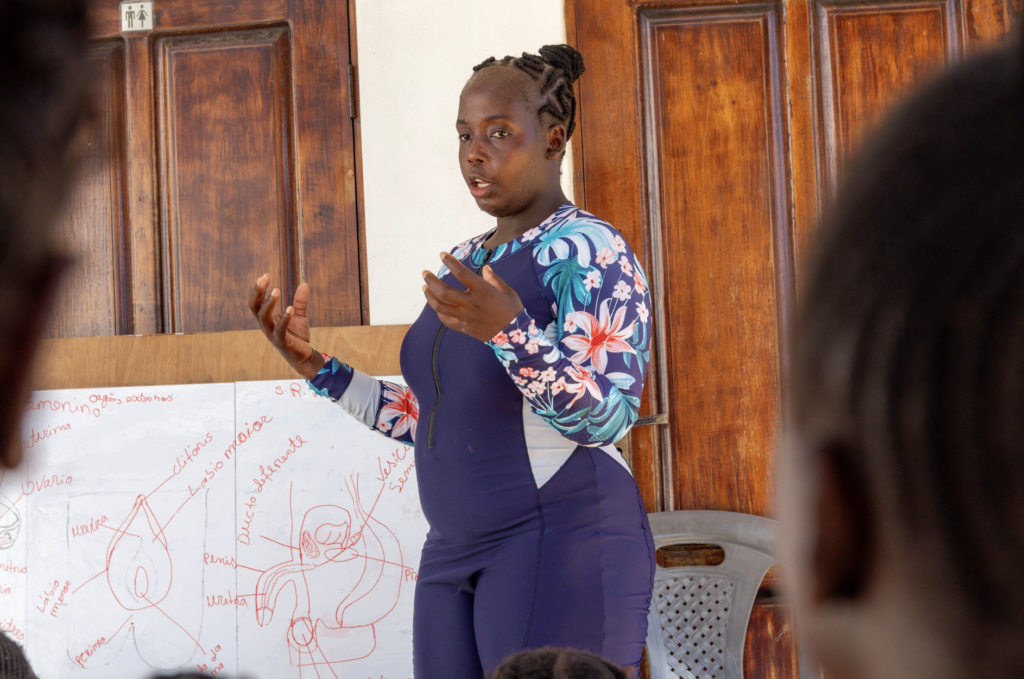
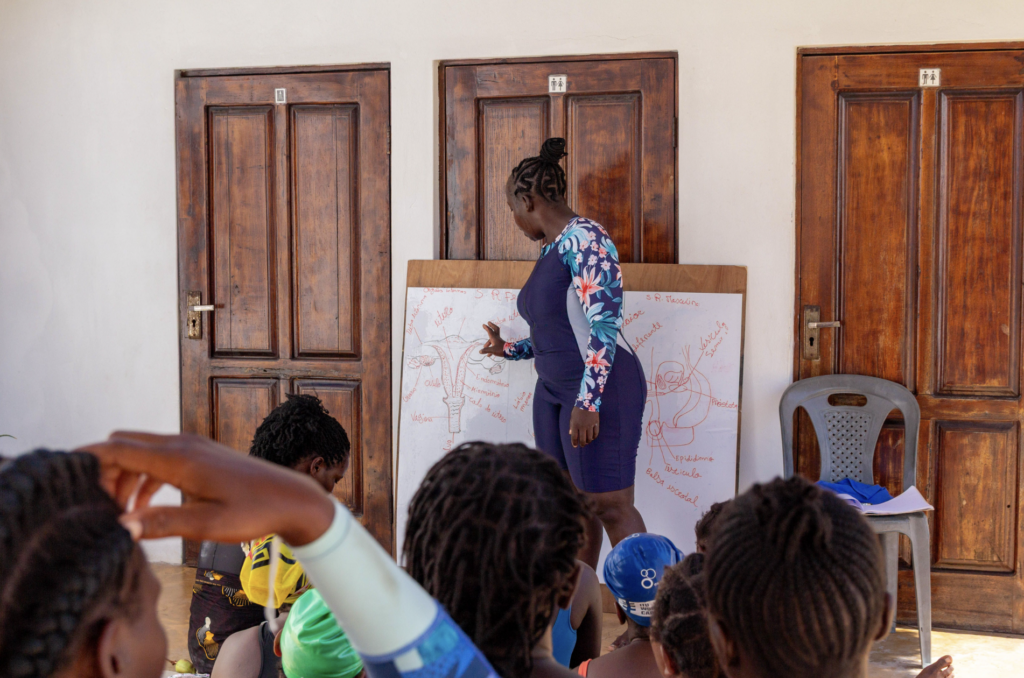
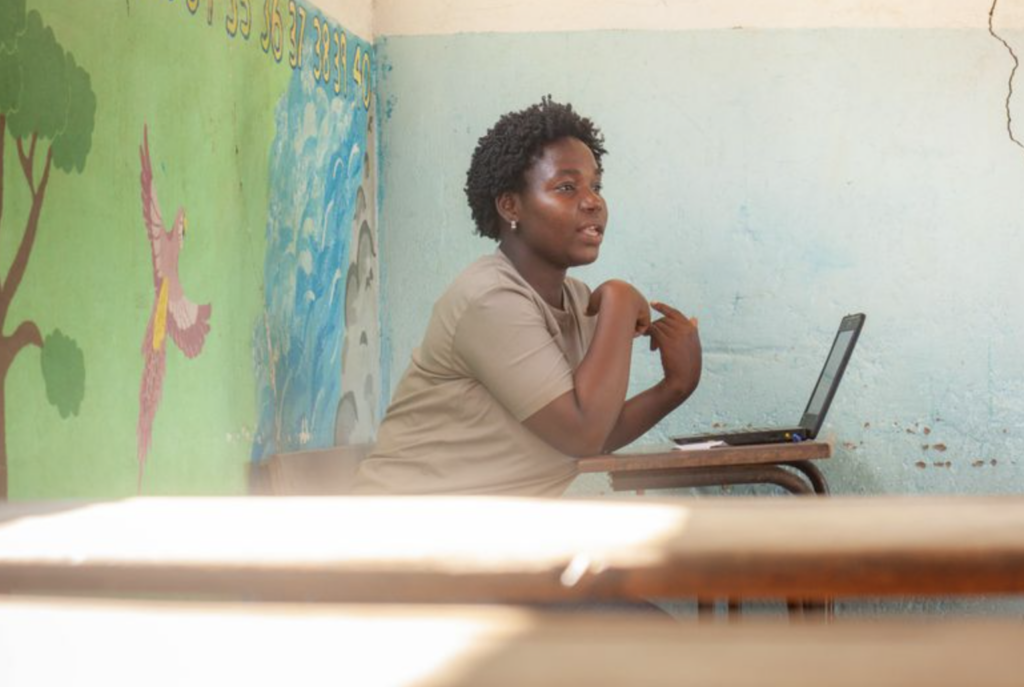
Sexual Health and Reproductive Rights
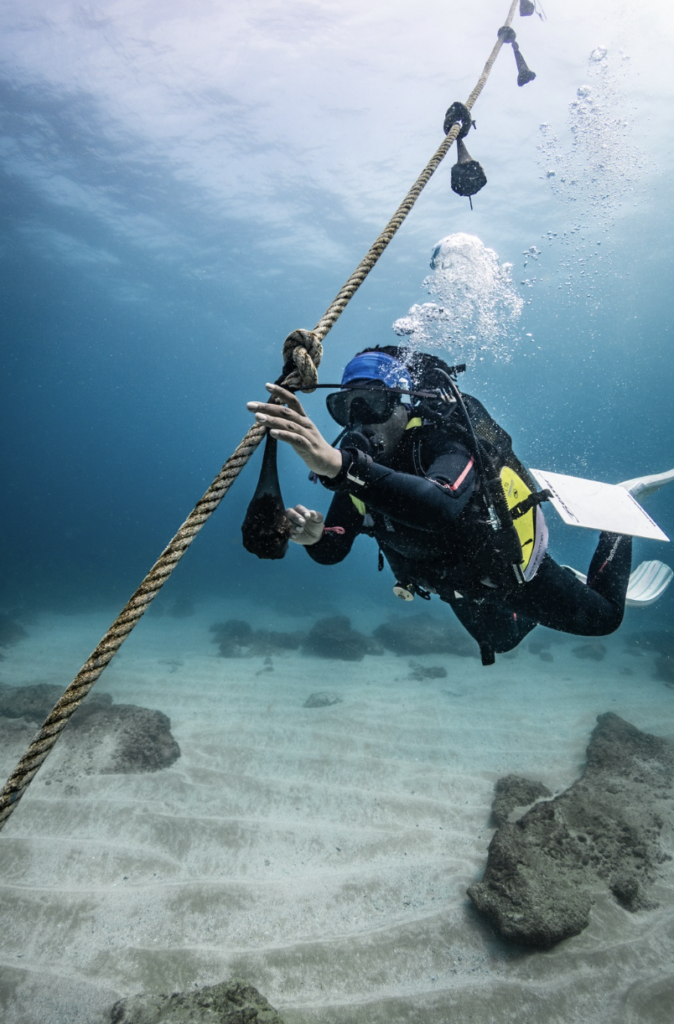
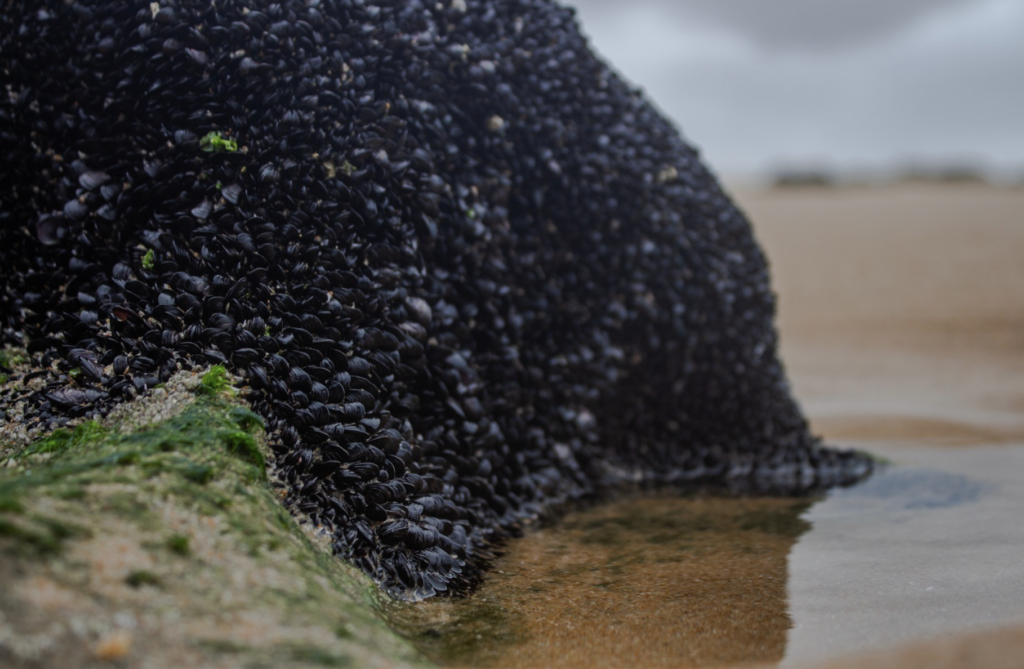
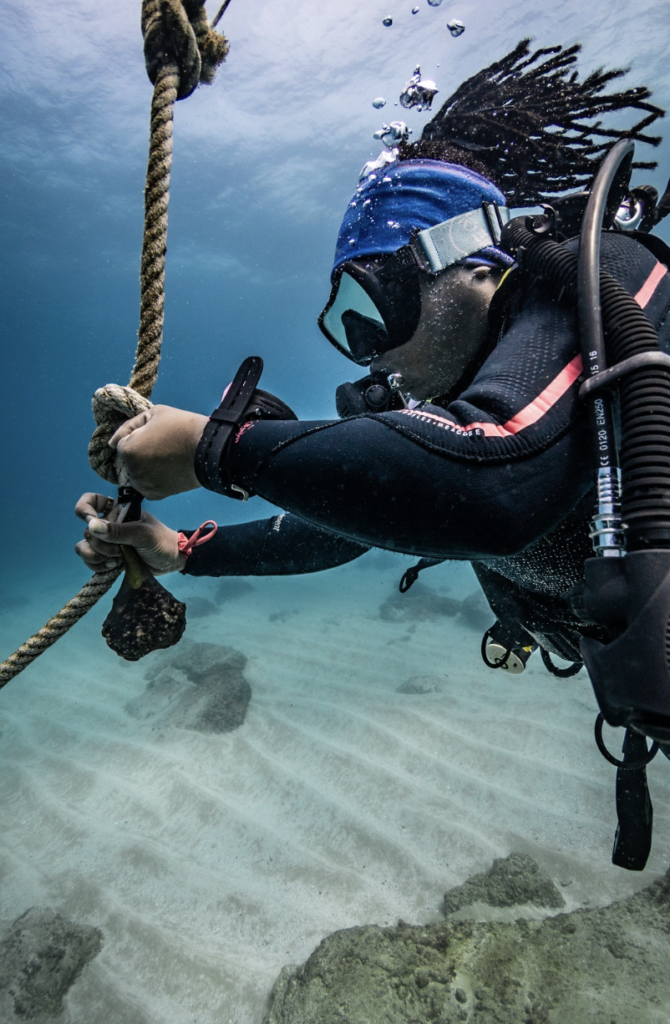
The Sea Her aquaculture programme sits within Love The Oceans’ alternative livelihoods work, recognising that poverty alleviation and conservation are intrinsically linked. In Jangamo Bay, mussel harvesting in the intertidal zone has traditionally been carried out by women, making this a naturally women-led project from the outset. This initiative supports women to cultivate mussels at sea by collecting naturally occurring spat that would otherwise outcompete itself on intertidal rocks. By relocating and growing mussels in the ocean to full size, the project creates a sustainable source of supplementary protein, reducing pressure on overfished reef systems and strengthening local food security. The project is currently in its growth trial phase, testing survival, growth rates and feasibility. Once trials are complete, Love The Oceans will launch the area’s first mini sustainable mussel farm.
The project economically empowers women by creating an independent income stream outside of traditional fisheries. This financial autonomy plays a critical role in breaking harmful patriarchal cycles, increasing women’s decision-making power, and supporting bodily autonomy and informed choices. By centring women as active contributors to marine livelihoods and conservation, women are seen as active ocean users and are able to participate in local ocean governance meetings. The Sea Her aquaculture project delivers benefits for ecosystems, households, and long-term community resilience.